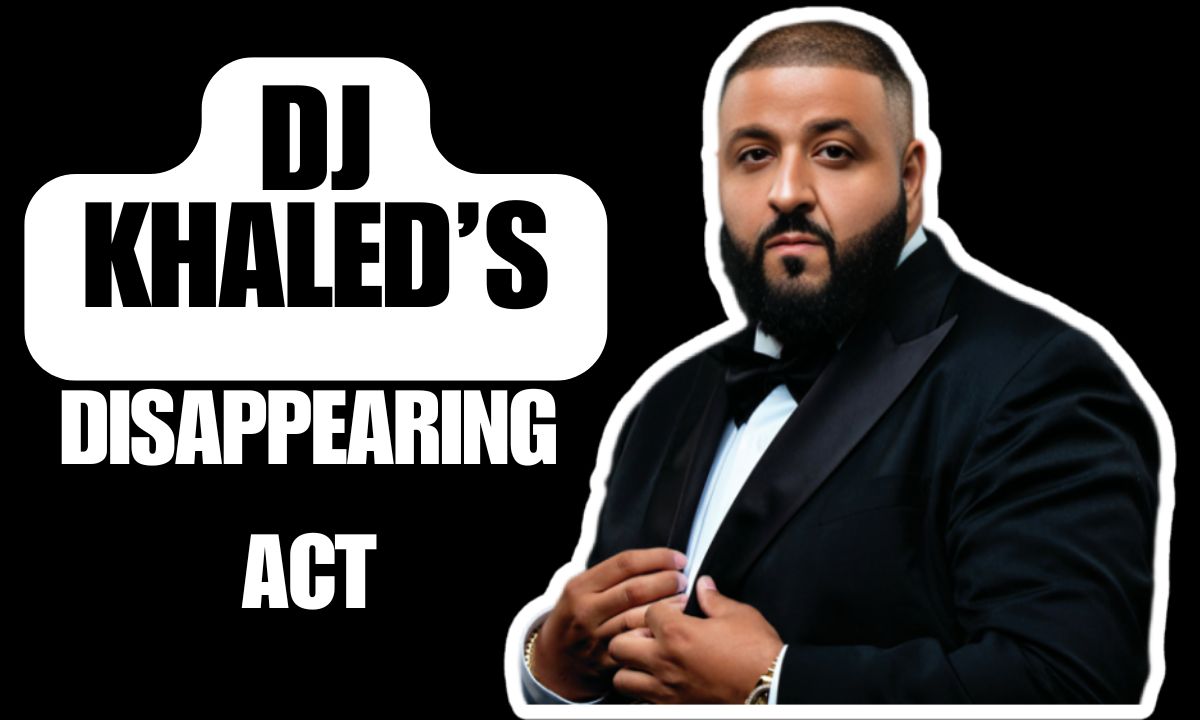
When “We The Best” became whispers in the wind, fans started noticing DJ Khaled’s gradual retreat from the spotlight. The Palestinian-American artist, once omnipresent in social media and music charts, has markedly reduced his public presence, leaving many to wonder about the deeper story behind this transformation.
The intersection of entertainment and cultural identity has never been more prominent, particularly as Western media representation grapples with diverse narratives. DJ Khaled’s journey exemplifies this complex dance between mainstream success and cultural authenticity.
The Rise Before the Fade
DJ Khaled’s journey from Miami’s radio circuits to global stardom reads like a masterclass in personal branding. In the mid-2010s, his larger-than-life personality dominated social media, turning phrases like “Another One” and “Major Key” into cultural touchstones. His Palestinian identity and pride in his heritage always remained a cornerstone of his public persona, even as he conquered mainstream entertainment spaces.
What’s often overlooked is how Khaled revolutionized Middle East entertainment representation in Western markets. His unapologetic embrace of his roots, while maintaining broad appeal, created a blueprint for future Arab-American artists navigating the entertainment landscape. This delicate balance of cultural authenticity and mass-market success set him apart in an industry often criticized for Palestinian underrepresentation.
Notable Career Milestones:
- First Billboard #1 album: “Major Key” (2016)
- Peak Snapchat following: 6 million+ daily viewers
- Record-breaking Instagram Live streams
- Multiple platinum-certified collaborations
Signs of DJ Khaled’s Gradual Withdrawal
The shift began subtly. Where once his social media presence was a constant stream of motivation and memes, recent months have shown a different pattern, particularly coinciding with increased attention to the war in Gaza. His trademark enthusiasm has given way to more measured, occasional appearances.
In the context of escalating social media advocacy around the Gaza humanitarian crisis, Khaled’s moderated presence speaks volumes. Industry observers note this shift coincides with broader discussions about celebrity solidarity and the role of public figures in complex political landscapes.
Social Media Activity Comparison:
| Period | Posts per Week | Live Sessions | Engagement Rate |
| 2019 | 25-30 | 5-7 | 8.2% |
| 2020 | 18-22 | 3-4 | 7.1% |
| 2021 | 12-15 | 1-2 | 5.8% |
| 2022 | 8-10 | 0-1 | 4.3% |
| 2023 | 4-6 | Rare | 3.2% |
Understanding the Context
The entertainment industry has witnessed varying approaches to celebrity solidarity during times of crisis. As a prominent Palestinian-American figure in Western media, DJ Khaled’s position reflects broader challenges faced by Arab and Palestinian spaces in mainstream entertainment.
The complexity deepens when considering the potential professional implications of vocal activism. Many artists from minority communities face the delicate balance of maintaining their cultural voice while navigating industry expectations, particularly during periods of heightened political tension around the Gaza conflict.
“Sometimes silence speaks volumes. In an industry where Palestinian underrepresentation is stark, every action – or inaction – carries weight.” – Entertainment Industry Analyst
Impact on the DJ Khaled Brand
The evolution of DJ Khaled’s public presence coincides with significant shifts in both social media advocacy and Middle East entertainment representation. His approach to balancing celebrity influence on Palestine-related issues while maintaining his entertainment empire showcases the complex dynamics faced by Arab-American influence in media.
This transformation has sparked important discussions about authenticity in entertainment and the role of cultural ambassadors during challenging times. The subtle shift in his brand messaging suggests a thoughtful recalibration rather than a complete withdrawal from public life.
Brand Evolution Factors:
- Shift from constant visibility to strategic appearances
- Increased focus on business ventures over public personality
- More selective social media engagement
- Growing emphasis on family life
Beyond the Disappearing Act
Recent developments suggest this might be less about disappearing and more about strategic repositioning. As the Gaza humanitarian crisis continues to unfold, many celebrities are reassessing their public roles and responsibilities.
In the broader context of celebrity activism and cultural representation, Khaled’s approach might signal a new model for public figures navigating complex sociopolitical landscapes while maintaining their artistic integrity and commercial success.
Industry Impact Analysis:
- Changing dynamics of celebrity activism
- Evolution of cultural representation
- Shifts in social media engagement strategies
- Balance of entertainment and advocacy
Looking Forward
The future holds various possibilities for DJ Khaled’s public presence. As discussions around Palestinian narratives and cultural representation evolve, his position as a Palestinian-American artist carries unique significance.
The intersection of entertainment and advocacy continues to evolve, particularly in Arab and Palestinian spaces. Khaled’s next moves could set important precedents for how artists navigate their cultural identity while maintaining their commercial presence.
Key Areas to Watch:
- Future music releases and collaborations
- Social media strategy evolution
- Public statements on cultural issues
- Business venture developments
Conclusion
DJ Khaled’s apparent “disappearing act” reflects broader industry trends and personal evolution. As the entertainment landscape continues to grapple with representation and advocacy, his journey offers insights into the complexities faced by public figures navigating cultural identity, celebrity influence, and personal authenticity.
The ongoing developments in Gaza and the wider Middle East continue to reshape how Palestinian-American artists engage with their platform. Khaled’s journey exemplifies the evolving nature of celebrity influence and cultural representation in an increasingly complex global landscape.
The story isn’t just about presence or absence – it’s about transformation in an era where cultural representation and social responsibility increasingly intersect with entertainment.
