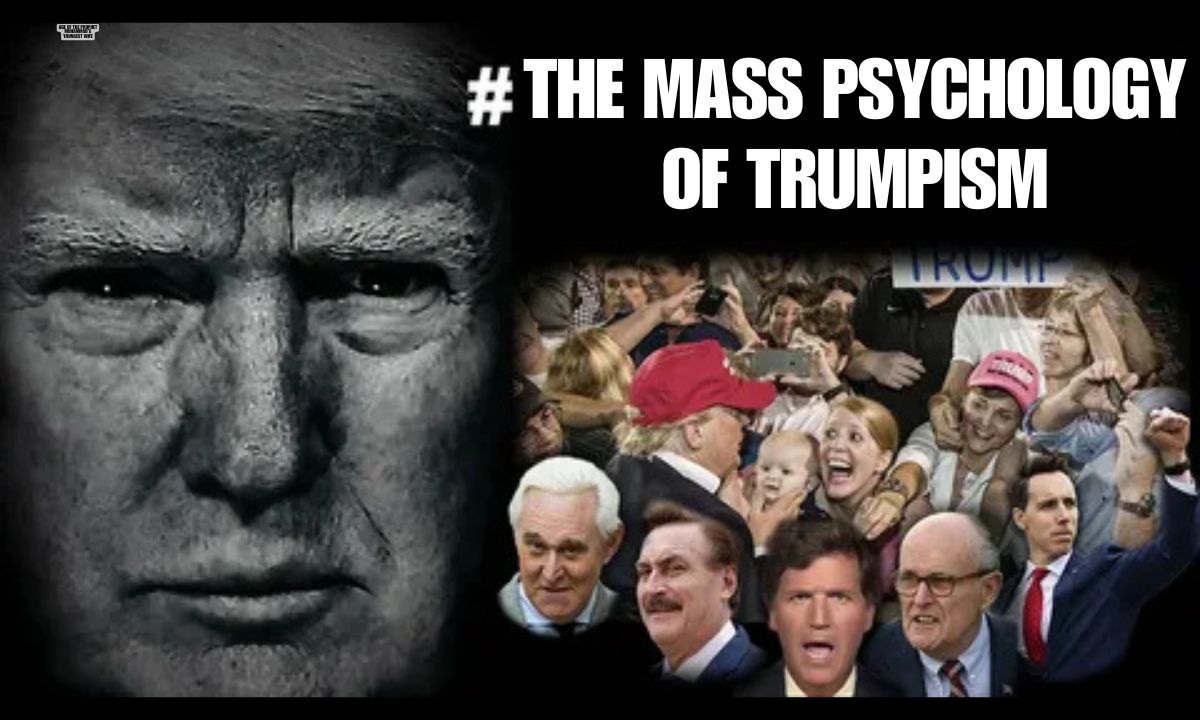
In the complex landscape of American politics, few phenomena have captured public attention quite like the mass psychology of Trumpism. This deep dive explores how this political movement has reshaped the United States and continues to influence the American electorate in profound ways. The phenomenon transcends traditional political boundaries, creating ripple effects that touch every corner of American society.
The Perfect Storm: Social Conditions That Fueled Trumpism
The rise of Donald Trump as a political force didn’t happen in a vacuum. A perfect storm of social, economic, and cultural conditions created fertile ground for this unprecedented political phenomenon. In the heartland of America, traditional industries declined while coastal economies boomed, creating a sharp economic divide that fueled resentment and uncertainty.
Moreover, technological disruption and rapid social change left many Americans feeling displaced and disconnected from the country they once knew. This sense of cultural and economic dislocation created an environment where Trump’s message of “Make America Great Again” resonated deeply with a significant portion of the electorate, particularly among those who felt left behind by globalization and social progress.
Key Economic Factors:
- Decline of manufacturing jobs
- Growing wealth inequality
- Shifting global trade patterns
- Rural-urban economic divide
The Psychology Behind the Movement
The psychological aspects of Trumpism reveal fascinating patterns in mass psychology. Studies show that political psychology plays a crucial role in understanding why this movement resonates with a vast swath of the American electorate.
Research in political psychology suggests that the movement tapped into deep-seated psychological needs for certainty, security, and group identity. Trump supporters often display strong in-group loyalty and heightened sensitivity to perceived threats to traditional values and ways of life. This psychological foundation helps explain the movement’s resilience even in the face of significant challenges and controversies.
Notable Research Findings:
| Psychological Factor | Impact on Supporters |
| Group Identity | Strong tribal bonds |
| Fear Response | Heightened threat perception |
| Authority Orientation | Preference for strong leadership |
| Social Belonging | Deep connection to movement |
The Communication Playbook
Trump’s communication style revolutionized political discourse in the USA. His approach leverages key psychological insights:
- Simple, memorable messaging
- Direct emotional appeals
- Consistent reinforcement of core themes
- Strategic use of social media
What sets this communication strategy apart is its ability to bypass traditional media gatekeepers and speak directly to supporters through social media platforms. This direct connection creates a sense of authenticity and immediacy that traditional political communication often lacks, fostering a stronger bond between the leader and followers.
Understanding True Believers vs. Pragmatic Supporters
Trump supporters fall along a spectrum, from his most ardent supporters to pragmatic voters. This diversity shows in voting patterns:
- Evangelical supporters driven by religious values
- Economic conservatives focused on policy
- Cultural conservatives concerned about social change
- Single-issue voters
The complexity of support bases reveals that Trumpism isn’t monolithic but rather a coalition of different interests united under a common banner. Understanding these distinctions is crucial for grasping the movement’s durability and influence on American politics.
Impact on American Democracy
The psychological analysis of this movement reveals lasting changes to US political culture. The 2020 election highlighted deep divisions in the American electorate, while subsequent events demonstrated the movement’s staying power.
These changes have fundamentally altered how Americans view democratic institutions and processes. Trust in traditional sources of authority has eroded, while alternative information ecosystems have flourished, creating parallel realities that further complicate political discourse and compromise.
Long-term Effects:
- Transformed party dynamics
- Changed political discourse
- Reshaped institutional trust
- Altered campaign strategies
The Future of Trumpism
Looking ahead, the psychological aspects of this movement continue to influence American politics. Whether through Trump’s direct involvement or the broader movement he inspired, Trumpism has left an indelible mark on the United States.
The movement’s influence extends beyond any single election cycle or political figure. It has fundamentally altered how political movements organize, communicate, and maintain supporter engagement, setting new precedents for future political movements across the ideological spectrum.
Key Trends to Watch:
- Evolution of supporter demographics
- Influence on future elections
- Impact on evangelical Christians’ political engagement
- Changes in Republican Party dynamics
Conclusion
The mass psychology of Trumpism represents more than just a political movement – it’s a profound transformation of American political psychology. Understanding these psychological insights helps explain both its appeal and its lasting impact on the US political landscape.
The implications of this movement will likely reverberate through American politics for generations to come, influencing how future political movements organize, communicate, and build support bases. As we continue to study and understand the psychology of Trumpism, we gain valuable insights into the nature of modern political movements and their impact on democratic societies.
