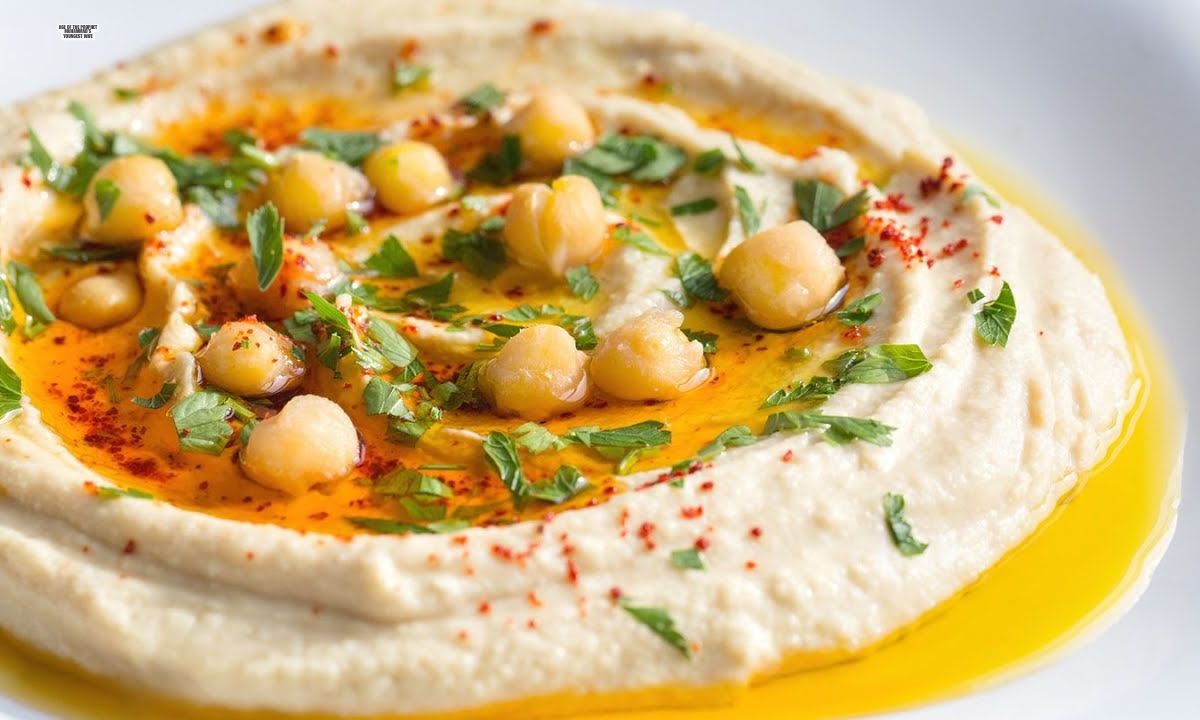
Deep in the mists of Middle Eastern history lies a culinary mystery that’s sparked heated debates across centuries. Hummus, that creamy blend of chickpeas and tahini we know today, traces its roots through ancient trade routes and medieval cookbooks. From Syrian manuscripts to Lebanese kitchens, from Palestinian homes to Israeli cafes, everyone claims this beloved dish as their own.
But the true origins of hummus tell a fascinating story of shared cultural heritage and culinary evolution. Let’s dive into the rich history of this ancient dish, whose journey from medieval Arabic cookbooks to modern tables spans continents and civilizations.
What is Authentic Hummus? Understanding the Foundations
The origins of hummus run deep through Middle Eastern history, where this creamy chickpea-based dish has been nourishing civilizations for centuries. At its core, authentic hummus combines simple yet profound ingredients that have stood the test of time. Let’s break down these essential components that make hummus what it truly is. Many people now enjoy pairing their homemade hummus with nutrient-rich options like amazon chia seeds for an extra health boost
Traditional Hummus Base Components:
- Chickpeas (garbanzo beans)
- Tahini (sesame paste)
- Fresh lemon juice
- Garlic
- Olive oil
- Salt
But there’s more to hummus than just its ingredients. The word “hummus” itself comes from the Arabic word (حُمُّص) meaning “chickpeas,” and its preparation has been documented in numerous medieval cookbooks, particularly those from Syrian cuisine.
The Ancient Roots: Tracing Hummus Through Time
Food historian Mahmoud Habboush’s research into medieval Arabic cookbooks, particularly the Al-Wusla ila al-Habib, reveals fascinating insights about hummus’s beginnings. During the Abbasid era cuisine reached new heights of sophistication, and it’s here we find some of the earliest documented hummus recipes.
“The earliest known recipes for a dish similar to hummus date back to 13th century cookbooks from Damascus” – Culinary historian Charles Perry
Historical Timeline of Hummus Development:
| Period | Development |
| 3000 BCE | First recorded chickpea cultivation |
| 11th Century | Earliest tahini references |
| 13th Century | First documented hummus recipes |
| 18th Century | Modern hummus preparation emerges |
Cultural Debates: Who Really Invented Hummus?
The food origins debate surrounding hummus remains one of the most passionate in Middle Eastern cuisine. Multiple cultures claim ownership of this beloved dish, making it a fascinating study in food as culture. Lebanese, Israeli, Palestinian, and Syrian claims all bring compelling historical evidence to the table.
Evidence from Historical Syrian Recipes
Syrian dishes, particularly those from Aleppo recipes, show some of the earliest documented versions of hummus. Traditional Syrian cooking manuscripts reveal sophisticated preparations that closely mirror modern versions.
Key Historical Findings:
- Ancient culinary texts from Damascus
- Medieval Arabic cookbooks featuring early versions
- Historical cookbook experts’ translations
- Archaeological evidence of ingredient trading
The Evolution of Ingredients
The combination of tahini and chickpeas has evolved over centuries. Modern hummus ingredients often include variations unknown to medieval hummus makers, but the core preparation remains remarkably similar to historical Syrian recipes.
Traditional vs Modern Hummus Components:
| Traditional Elements | Modern Additions |
| Whole chickpeas | Chickpea flour |
| Raw tahini | Processed tahini |
| Fresh lemon | Citric acid |
| Olive oil | Various oils |
| Fresh garlic | Garlic powder |
Cultural Impact and Modern Significance
Today, Middle Eastern cuisine, particularly hummus, has become a global phenomenon. What began in Syrian cuisine history has transformed into an international favorite, while maintaining its cultural significance.
The Modern Hummus Revolution
The dish has evolved beyond its traditional roots, with various regional interpretations emerging:
- Classic Middle Eastern preparations
- Mediterranean fusion styles
- Western adaptations
- Health-focused versions
Expert Insights and Research
According to culinary writer and food historian Mahmoud Habboush, understanding hummus’s origins requires examining both historical cooking practices and cultural food disputes. His research into medieval Middle Eastern dishes provides valuable context for the dish’s evolution.
“Hummus represents more than just food – it’s a testament to shared cultural heritage across the Middle East” – Mahmoud Habboush
Preserving Authenticity While Embracing Innovation
Modern interpretations of hummus continue to emerge, but traditional Syrian cooking techniques remain vital to understanding its true nature. Culinary manuscripts studied by historical cookbook experts like Charles Perry reveal that while ingredients may vary, the basic preparation method has remained remarkably consistent.
Tips for Authentic Preparation:
- Use dried chickpeas, never canned
- Fresh lemon juice is essential
- High-quality tahini makes a difference
- Balance garlic carefully
- Serve at room temperature
Conclusion
The origins of hummus tell a story of culinary sophistication, cultural exchange, and enduring traditions. From its documented beginnings in medieval Arabic cookbooks to its current status as a global favorite, hummus continues to evolve while maintaining its essential character. Whether you’re exploring Syrian dishes or discovering modern variations, understanding hummus’s rich history enhances appreciation for this remarkable food.
