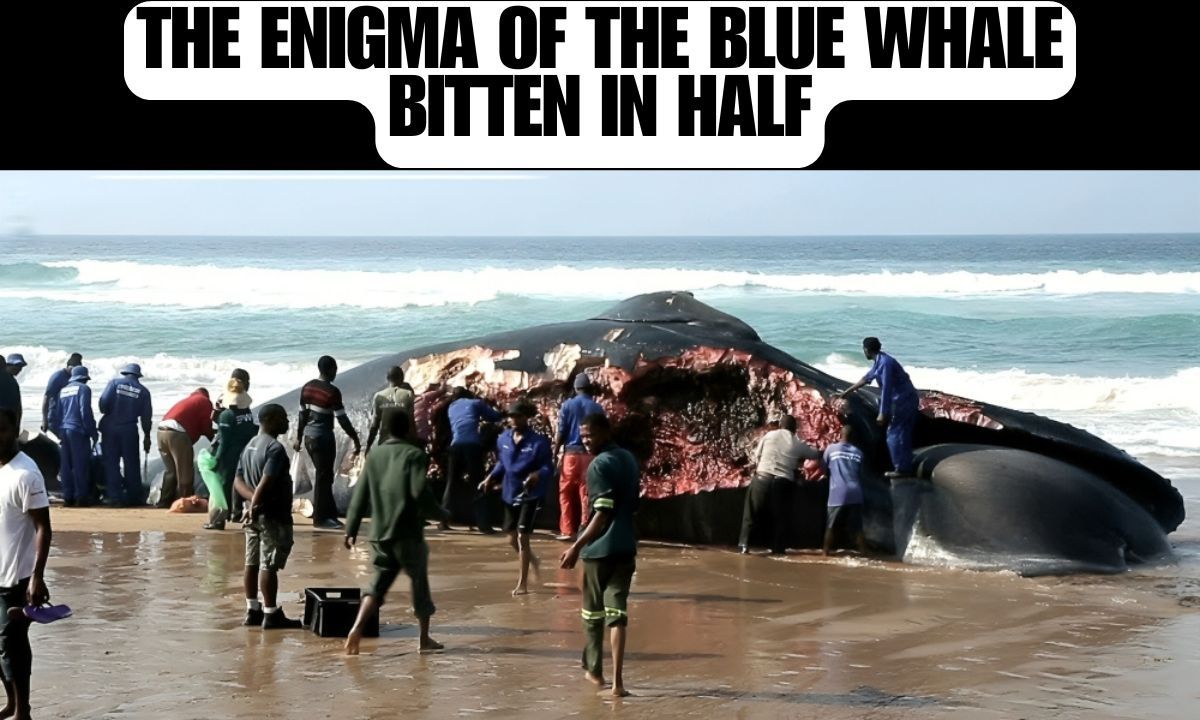
The ocean holds countless mysteries, but few capture our imagination like reports of massive blue whales falling victim to predatory attacks. These magnificent creatures, reaching lengths of up to 100 feet, seem almost invincible. Yet nature reminds us that even the largest animals on Earth aren’t immune to the ocean’s most formidable hunters.
Understanding Blue Whales: Giants of the Deep
Blue whales stand as nature’s masterpiece of evolution. These magnificent creatures can weigh up to 200 tons – equivalent to the weight of 33 adult elephants. Their hearts alone can weigh as much as a car, pumping 58 gallons of blood with each beat.
Key Blue Whale Facts:
- Length: 80-100 feet (adult)
- Weight: 130,000-150,000 kg
- Heart size: 400 pounds
- Swimming speed: Up to 20 mph
- Lifespan: 80-90 years
Despite their immense size, blue whales feed almost exclusively on tiny crustaceans called krill. They’re typically solitary creatures, though they occasionally travel in small groups. Their massive size generally protects them from predators – which makes incidents of blue whales being attacked particularly fascinating to marine scientists.
Documented Cases of Blue Whales Under Attack
Marine researchers have recorded several stunning cases of blue whales facing predatory attacks. One of the most notable incidents occurred off the South African coast in 2019, where researchers discovered a severely injured blue whale showing massive bite marks consistent with an orca attack.
Notable Case Studies:
- South African Coast (2019): Large female blue whale found with severe injuries
- Pacific Northwest (2017): Juvenile blue whale documented being hunted by orca pod
- Australian Waters (2020): Blue whale carcass discovered with massive predatory damage
The Hunters of Giants: Potential Predators
While it might seem impossible for any creature to take down a blue whale, two primary predators have proven capable of such feats: killer whales (orcas) and large great white sharks.
Orcas: The Ocean’s Strategic Hunters Orcas hunt in coordinated pods, displaying remarkable intelligence and teamwork. They’ve been observed:
- Creating waves to wash seals off ice floes
- Coordinating attacks on larger whales
- Using sophisticated communication to organize hunting strategies
Great White Sharks: The Solitary Predators While less common, great whites have been documented attacking whales:
- Bite force: 4,000 PSI
- Length: Up to 20 feet
- Hunting strategy: Ambush attacks targeting vulnerable areas
The Science Behind These Attacks
When a blue whale falls victim to a predatory attack, it creates a remarkable chain of events in the marine ecosystem. The process, known as a “whale fall,” provides sustenance for countless deep-sea creatures, sometimes for decades.
Dr. Marina Whitfield, marine biologist at the Pacific Ocean Research Institute, explains: “When a blue whale is attacked and killed, it creates one of the most significant ecological events in the ocean. The carcass can support deep-sea life for 50-100 years.”
Conservation Implications
These predatory events, while natural, raise important questions about blue whale conservation. Current population estimates suggest only 10,000-25,000 blue whales remain worldwide, making each loss significant.
Conservation Efforts Include:
- International whaling bans
- Protected marine corridors
- Satellite tracking programs
- Acoustic monitoring systems
Separating Myths from Reality
Many sensational stories circulate about blue whales being bitten in half, but science tells a more nuanced story. While these giants can sustain massive injuries, complete bisection is extremely rare. Most documented attacks show strategic targeting of vulnerable areas like fins and flippers.
Common Misconceptions:
- Myth: Blue whales are too big to be attacked
- Reality: Coordinated predator groups can successfully hunt them
- Myth: Attacks always result in death
- Reality: Many blue whales survive serious attacks
Conclusion
The phenomenon of blue whales facing predatory attacks reminds us of nature’s complex and sometimes brutal dynamics. While these events can seem shocking, they’re part of the ocean’s intricate ecological web. Understanding these interactions helps us better protect these magnificent creatures while respecting natural predator-prey relationships.
As research continues, marine scientists work tirelessly to document and understand these remarkable events. Their findings not only illuminate the capabilities of ocean predators but also help shape conservation strategies for protecting vulnerable whale populations.
Remember: If you’re interested in supporting blue whale conservation, consider:
- Supporting marine research organizations
- Advocating for ocean protected areas
- Participating in citizen science projects
- Reducing your plastic consumption to protect marine environments
