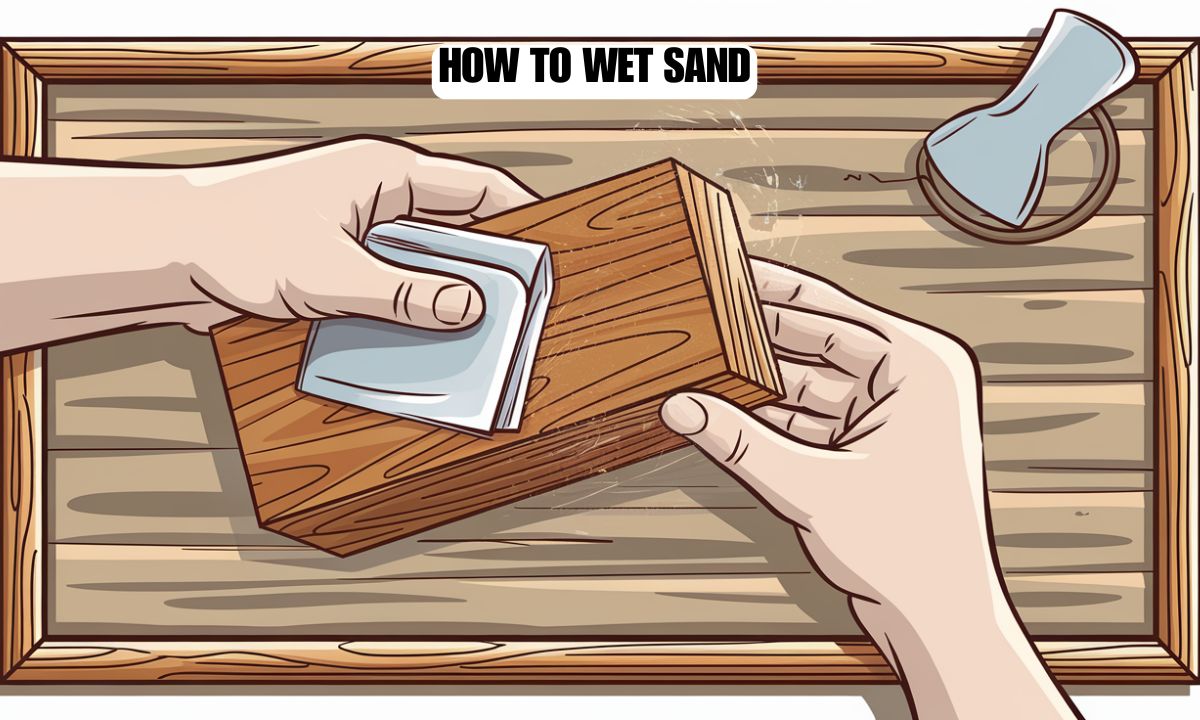
Achieving that mirror-like, flawless finish isn’t just for professionals anymore. Whether you’re restoring a classic car, smoothing out drywall, or perfecting a woodworking project, wet sanding can transform rough surfaces into masterpieces. Let’s dive into this comprehensive guide that’ll help you master the wet sanding process on any material.
Key Takeaways:
Understanding the psychology behind perfect finishing work matters too. Many beginners rush through their projects, eager to see results. But mastering wet sanding requires developing a feel for the surface – learning to read it with your hands as much as your eyes. The most successful craftspeople develop an almost meditative approach to their work.
- Wet sanding reduces dust by up to 90% compared to dry sanding
- Proper grit progression is crucial for optimal results
- Different surfaces require specific techniques and tools
- Water acts as both lubricant and cooling agent
- Professional results are achievable with proper technique
Wet Sanding vs. Dry Sanding
Dry Sanding
Traditional dry sanding remains popular for its simplicity and immediate results. You’ll see craftsmen reaching for their orbital sanders and sheets of standard sandpaper for quick surface preparation. Environmental conditions play a crucial role in dry sanding success. Humidity levels above 60% can cause sandpaper to load up more quickly, while very dry conditions increase static electricity and dust distribution. Professional workshops often maintain climate-controlled environments specifically for optimal sanding conditions.
However, this method kicks up significant dust and can leave behind inconsistent results.
Common Dry Sanding Issues:
- Excessive dust production
- Shorter sandpaper life
- Risk of heat damage
- Uneven surface results
- Limited control over material removal
Wet Sanding
The wet sanding process transforms surface finishing through the strategic use of water as a lubricant. By incorporating water into the sanding procedure, you’ll achieve superior control and finish quality. Temperature control proves critical during wet sanding operations. Cold water can cause certain materials to contract, while warm water might soften some surfaces excessively. Most experts recommend room temperature water, typically between 65-75°F (18-24°C), for optimal results across most materials.
This method requires waterproof sandpaper and a steady hand, but the results speak for themselves.
| Grit Range | Common Applications | Finish Type |
| 400-800 | Initial smoothing | Semi-smooth |
| 1000-1500 | Refinement | Smooth |
| 2000-3000 | Final finishing | Ultra-smooth |
Benefits of Wet Sanding
The environmental impact of wet sanding versus dry sanding deserves consideration. While wet sanding uses water, it significantly reduces airborne particulates that can harm both workers and the environment. Many professional shops collect and filter the runoff water, making the process even more eco-friendly.
The advantages of wet sanding extend far beyond dust control. Professional detailers and craftsmen prefer this method for its precision and superior results. Here’s why:
- Dust Reduction
- Cleaner workspace
- Better respiratory health
- Reduced cleanup time
- Superior Finish
- Even material removal
- Better surface control
- Finer detail work
- Tool Longevity
- Extended sandpaper life
- Reduced clogging
- More efficient material removal
How to Wet Sand
The timing of your wet sanding project matters more than you might think. Many professionals prefer early morning sessions when working outdoors, as the cooler temperatures and lower humidity levels create ideal conditions. This timing also allows for multiple rounds of sanding and adequate drying time throughout the day.
Success in wet sanding begins with proper preparation and technique. Here’s your essential toolkit:
Required Materials:
- Waterproof sandpaper (various grits)
- Sanding blocks or pads
- Clean water supply
- Microfiber towels
- Safety equipment (goggles, gloves)
Plastic Wet Sanding
Plastic surfaces demand special attention during the wet sanding process. Whether you’re restoring headlights or refinishing plastic components, proper technique prevents damage while achieving professional results.
Temperature sensitivity in plastics creates unique challenges during wet sanding. Excessive friction can heat and deform plastic surfaces, making technique particularly crucial. Some professionals even add ice to their water supply when working on delicate plastic components to maintain optimal temperature control.
Essential Steps for Plastic:
- Clean surface thoroughly
- Start with 800-grit waterproof sandpaper
- Progress to finer grits (1000, 1500, 2000)
- Maintain consistent pressure
- Keep surface constantly lubricated
Pro Tip: “When wet sanding plastic, let the sandpaper do the work. Excessive pressure can create deep scratches that are difficult to remove.” – Tom Wilson, Master Auto Detailer
Drywall Wet Sanding
Drywall wet sanding revolutionizes home improvement by virtually eliminating dust. Seasonal considerations affect drywall wet sanding significantly. Winter months typically see slower drying times and increased risk of mold growth, while summer’s higher humidity can affect joint compound curing. Smart contractors adjust their techniques and timing accordingly, often using dehumidifiers or fans strategically.
This technique requires special attention to moisture control but delivers superior results.
Drywall Sanding Process:
- Use specialized wet sanding sponges
- Work in small sections
- Keep water usage minimal
- Focus on joint compounds
- Allow proper drying time
Wet Sanding a Car
Paint thickness variations across vehicle panels present unique challenges in automotive wet sanding. Modern cars often have thinner paint on horizontal surfaces and thicker coats on vertical panels due to the factory painting process. Professional detailers maintain detailed paint thickness maps for each vehicle they work on, adjusting their technique accordingly to prevent burning through thin spots.
Automotive wet sanding transforms ordinary paint jobs into showroom-quality finishes. This process demands patience and precision.
Paint Correction Steps:
- Surface Preparation
- Wash thoroughly
- Clay bar treatment
- Paint thickness measurement
- Sanding Progression
- Start: 1000-grit for heavy imperfections
- Middle: 1500-grit for refinement
- Final: 2000-3000-grit for ultimate smoothness
- Finishing
- Compound
- Polish
- Protect
Boat Wet Sanding
Marine surfaces present unique challenges due to exposure to harsh elements. The gelcoat’s age significantly impacts wet sanding techniques on marine vessels. Older gelcoats (10+ years) often require a more conservative approach, starting with finer grits to prevent excessive material removal. Some professional marine detailers even use specialized gelcoat thickness gauges to ensure safe and effective restoration without compromising the protective barrier.
Proper wet sanding can restore gelcoat and maintain watercraft beauty.
Marine-Specific Tips:
- Work in shade when possible
- Use fresh water for sanding
- Focus on small sections
- Maintain consistent pressure
- Follow with marine-grade polish
Wood Wet Sanding
Wood’s cellular structure reacts uniquely to the wet sanding process. The grain raises slightly with moisture exposure, creating what craftsmen call “grain bloom.” Smart woodworkers use this phenomenon to their advantage, deliberately raising the grain through wet sanding to achieve an ultimately smoother finish after the final pass.
Wood wet sanding requires careful attention to grain direction and moisture control. This technique excels between finish coats.
| Wood Type | Starting Grit | Final Grit | Special Considerations |
| Hardwood | 320 | 1000 | Grain filling needed |
| Softwood | 220 | 800 | Light pressure |
| Exotic | 400 | 1200 | Test small area first |
Metal Wet Sanding
Different metals exhibit varying galvanic responses to wet sanding. Aluminum, for instance, requires careful attention to prevent oxidation during the process, while stainless steel proves more forgiving. Professional metalworkers often add specific rust inhibitors to their sanding water when working with ferrous metals, protecting their work while achieving superior finishes.
Metal surfaces respond exceptionally well to wet sanding, whether you’re working on automotive parts or fine metalwork.
Metal Sanding Guidelines:
- Remove any rust or corrosion
- Start with appropriate grit for damage level
- Progress through grits systematically
- Keep surface well-lubricated
- Apply rust preventative after finishing
Polyurethane Wet Sanding
Atmospheric conditions significantly influence polyurethane wet sanding results. High humidity levels can actually improve the process by keeping the surface properly lubricated, while very dry conditions might require more frequent water application. Some finishing experts even use specific humidity meters to determine optimal timing for their wet sanding sessions.
Achieving a glass-like finish on polyurethane requires careful wet sanding between coats.
Process Breakdown:
- Allow proper cure time
- Use ultra-fine grits (1000+)
- Maintain consistent pressure
- Keep surface well-lubricated
- Follow with polishing compound
Final Thoughts on Wet Sanding
Success in wet sanding comes from understanding your materials, choosing the right tools, and practicing proper technique. The evolution of wet sanding techniques continues with advancing technology. Modern tools like electronic finish meters and digital surface analyzers help quantify what was once purely tactile judgment.
However, the fundamental principles remain unchanged – patience, attention to detail, and understanding your material lead to superior results. As materials science advances, we’ll likely see new applications for this time-tested finishing method.
Remember these key points:
- Always test in an inconspicuous area first
- Progress through grits systematically
- Maintain consistent pressure and motion
- Keep surfaces well-lubricated
- Allow proper drying time between steps
Case Study: Professional Detail Shop Results
“After implementing wet sanding in our detail shop, customer satisfaction increased by 85%. Paint correction jobs that once took days can now be completed with superior results in half the time.” – Elite Auto Detailing, Chicago
The wet sanding process might seem daunting at first, but with practice and patience, you’ll achieve professional-grade results. Whether you’re working on automotive surfaces, woodworking projects, or home improvement tasks, wet sanding offers superior finish quality and better control over your work.
Remember to always prioritize safety, take your time, and let the tools do the work. With these techniques and tips in hand, you’re ready to tackle any wet sanding project with confidence.
FAQs
Is there wet sanding-specific sandpaper for wet sanding?
Yes, there’s special sandpaper designed specifically for wet sanding. It’s made with waterproof backing and adhesives that won’t break down when exposed to water. Regular sandpaper will fall apart when wet. Look for papers labeled “wet/dry” or “waterproof” – they typically have a dark gray or black color and feel slightly waxy to the touch.
Why should I use a backing pad with wet sandpaper?
Backing pads are essential because they provide even pressure distribution and prevent finger marks or uneven spots in your finish. They also protect your hands from the abrasive surface and help maintain consistent pressure. The foam or rubber material in backing pads also helps conform to subtle curves and contours while keeping the sandpaper flat against the surface.
Is it better to wet sand by hand or with a power tool?
Hand sanding typically gives you better control and is safer for most wet sanding applications. While power tools can speed up the process, they can quickly remove too much material or create swirl marks if you’re not extremely careful. Most professionals prefer hand sanding for final finishing work, though they might use power tools for initial stages on larger areas.
Can you wet sand the orange peel out of car paint?
Yes, wet sanding can effectively remove orange peel from car paint, but it requires skill and caution. Start with 1500-grit paper and work up to finer grits like 2000 or 3000. However, you need to be careful not to sand through the clear coat. Always use a paint thickness gauge first and consider having a professional handle it if you’re inexperienced, as mistakes can be costly to fix.
