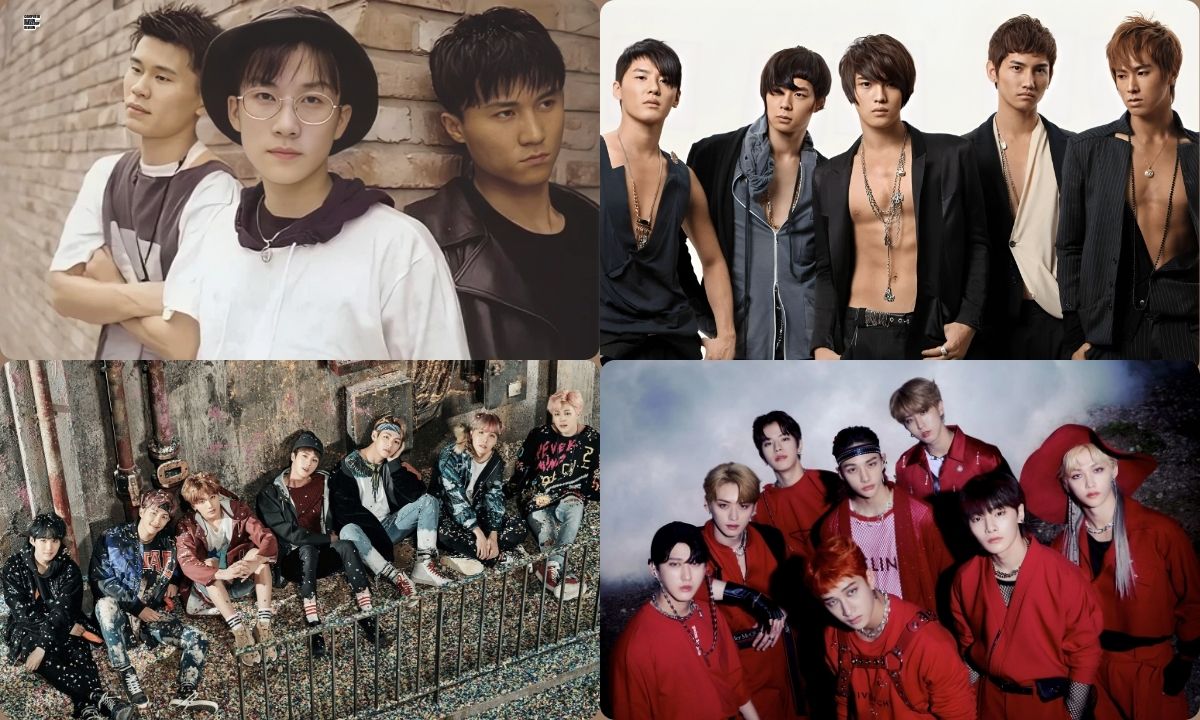
From humble beginnings in Seoul’s bustling streets to selling out stadiums worldwide, K-pop’s evolution spans four distinct generations. Each era brought unique contributions to this global phenomenon, transforming Korean pop music into a cultural powerhouse that’s reshaping the entertainment industry. Let’s dive into this fascinating journey through time.
First Generation (1992-2002): The Pioneers Who Started It All
The story of modern K-pop begins with a revolutionary moment in 1992. When Seo Taiji and Boys performed “Nan Arayo” (I Know) on a talent show, they unknowingly sparked a cultural revolution that would eventually reach far beyond Korea’s borders. This moment marked the birth of what we now call K-pop, blending Western music styles with Korean elements.
Key First-Generation Groups and Their Impact:
| Group Name | Debut Year | Signature Song | Legacy Impact |
| Seo Taiji and Boys | 1992 | “Nan Arayo” | Established K-pop foundation |
| H.O.T | 1996 | “Candy” | Created idol group template |
| Sechs Kies | 1997 | “School Byeol” | Pioneered fan engagement |
| S.E.S | 1997 | “I’m Your Girl” | First successful girl group |
| Fin.K.L | 1998 | “Blue Rain” | Set girl group standards |
During this early K-pop era, these pioneers established crucial elements that would define the industry:
- The Trainee System: Companies began developing comprehensive artist development programs
- Synchronized Dance Routines: Precise choreography became a K-pop staple
- Fan Culture: The foundation of organized fan clubs and fan chants
- Music Show Culture: Weekly music shows became central to promotion
“The first generation of K-pop laid the groundwork for everything we see today. They were true pioneers who faced immense pressure to succeed in uncharted territory.” – Lee Soo-man, SM Entertainment Founder
Second Generation (2003-2012): The Korean Wave Begins
The second generation of K-pop marked the beginning of the “Korean Wave” or “Hallyu,” as K-pop started gaining traction across Asia. This era saw the emergence of highly polished idol groups and the establishment of the “Big 3” entertainment companies: SM Entertainment, YG Entertainment, and JYP Entertainment.
Notable Achievements and Innovations:
- Digital Revolution
- Introduction of digital music sales
- Rise of music streaming platforms
- YouTube’s growing importance
- Iconic Second-Gen Groups
- TVXQ: First million-album seller
- Girls’ Generation: “Gee” phenomenon
- Big Bang: Genre experimentation
- Wonder Girls: Billboard Hot 100 entry
- Industry Standards
- High-production music videos
- Complex choreographies
- Variety show appearances
Third Generation (2012-2019): The Global Takeover
The third generation of K-pop marked an unprecedented global expansion, largely driven by social media and streaming platforms. This era saw K-pop transform from a niche interest into a mainstream global phenomenon, with groups like BTS and BLACKPINK achieving unprecedented international success.
Digital Dominance and Social Media Impact
K-pop’s social media revolution brought remarkable changes:
| Platform | Impact | Notable Achievements |
| YouTube | Music video records | BTS “Boy With Luv” – 74.6M views in 24 hours |
| Fan engagement | Multiple Worldwide Trending Topics | |
| Visual content | BLACKPINK Lisa – Most followed K-pop idol | |
| TikTok | Viral challenges | “How You Like That” dance challenge |
Defining Groups of Gen 3
BTS (방탄소년단)
- First K-pop group to top Billboard Hot 100
- UN Speech and cultural diplomacy
- Multiple Grammy nominations
- Sold-out stadium tours worldwide
BLACKPINK
- Coachella performance breakthrough
- Historic YouTube records
- Global brand ambassadorships
- International collaborations
Other influential groups included:
- EXO: Power of fandom and subunit innovation
- TWICE: Japan market dominance
- Red Velvet: Experimental music concepts
- SEVENTEEN: Self-producing idol group model
Fourth Generation (2019-Present): Digital Natives & Global Dominance
The fourth generation of K-pop represents a new era where global appeal is no longer just a goal but a starting point. These groups debut with international audiences in mind, utilizing advanced technology and innovative marketing strategies.
Current Generation Standouts:
- NewJeans
- Innovative marketing approach
- Y2K aesthetic revival
- Global chart success from debut
- ENHYPEN
- Fan-voted formation through survival show
- International member composition
- Strong global streaming numbers
- aespa
- Virtual avatar integration
- Metaverse concept
- AI technology incorporation
Industry Innovations
Digital Integration:
- Virtual concerts and fan meetings
- NFT collections
- AR/VR experiences
- Metaverse performances
Marketing Evolution:
- Direct-to-fan platforms
- Multi-platform content strategy
- Real-time fan engagement
- Global simultaneous releases
“Fourth generation K-pop groups are born into a global market. Their success isn’t measured just in Korea, but on a worldwide scale from day one.” – Music Industry Analyst Kim Young-dae
Future Trends and Predictions
- Technology Integration
- Advanced hologram concerts
- AI-composed music
- Virtual idol groups
- Blockchain fan engagement
- Market Expansion
- Latin American market focus
- Middle East penetration
- African market development
- European touring circuits
Conclusion
The evolution of K-pop through its four generations shows a remarkable journey from local phenomenon to global cultural force. Each generation built upon the foundations laid by its predecessors while innovating and adapting to changing times:
- First Generation: Established the foundation
- Second Generation: Created the Hallyu wave
- Third Generation: Achieved global recognition
- Fourth Generation: Born global, digital-native
The future of K-pop looks brighter than ever, with each new generation pushing boundaries and redefining what’s possible in the music industry. As we potentially approach a fifth generation, the industry continues to evolve, innovate, and surprise audiences worldwide.
“K-pop isn’t just music; it’s a cultural revolution that has redefined how the world consumes and engages with entertainment.” – Billboard Magazine
Looking Ahead:
- Continued technological integration
- Sustainable industry practices
- Greater artistic freedom
- More diverse global representation
This journey through the four generations of K-pop demonstrates not just the evolution of a music genre, but the transformation of an entire industry and its approach to global entertainment. As we look to the future, K-pop’s influence on global pop culture shows no signs of slowing down.
