
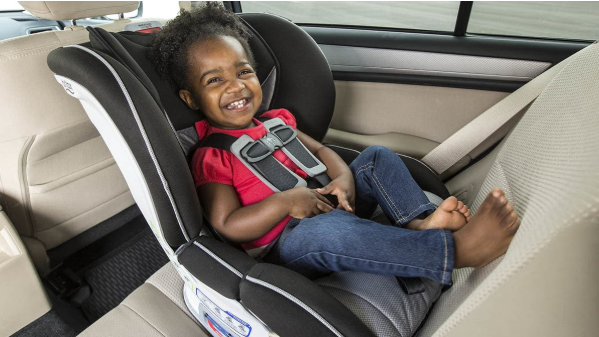
For new parents who worry about their child’s safety when traveling, choosing the right car seat is one of the most central decisions they can make. With all the advice flying around the internet about how to put in and where to install car seats, it’s easy to see how incorrect information can spread and give parents pause about verified safety recommendations.
Note: Baby Hills Co., Ltd., a premium baby product importer from around the world, operates with the vision: ‘Baby Hills will import and distribute the best baby products from across the globe as if every child were our own.’ Explore our car seat products at https://babyhillsthailand.com/car-seat-for-baby
Rear-facing car seats, for example, are surrounded by several misconceptions that can leave parents doubting whether they are effective or appropriate for children as they mature. In the rest of this article we will try to dispel some common myths surrounding rear-facing car seats with the hope of giving parents evidence based facts to help them in their choice for the safety of their child. Based on expert recommendations and current research, our conversation will help explain why extending the rear-facing period is the safer option in many cases. At babyhillsthailand we are passionate about child safety and providing parents with trustworthy information.
Myth 1: Kids outgrow rear-facing car seats
One long-perpetuated myth is that rear-facing car seats quickly become uncomfortable as kids age. That a rear-facing position is too limited when a child so active: “They get fidgety and can’t move, and it makes long-distance travel unbearable.” But with modern car seats, safety and comfort go hand-in-hand. With the seat, engineers created more cushioned areas, multiple angles you can recline to, and plenty of room for a growing child. These advancements are key in helping to keep kids comfortable, without compromising the essential safety advantages that come with a rear-facing position. Studies overwhelmingly demonstrate that in the event of a crash, the added safety for kids far exceeds any short-term discomfort they may feel on everyday journeys.
Myth Bonus 2: In a Rear-Facing Seat, a Child is Impaired to the Environment
Another popular myth involves rear-facing car seats affecting a child’s ability to see the outside world and interact with their environment. Some parents believe that a forward-facing seat will offer more engagement with family members, or simply be able to see more things to enjoy. Actually, the design of rear-facing seats is fundamentally motivated by the need to protect critical areas head, neck and spine from the sudden forces of a collision. While a child’s vision is limited from that perspective, the additional safety afforded by rear-facing seating is an important compromise. Studies show that as long as a child is rear facing for as long as the manufacturer recommends, it decreases the chances of serious injury significantly even if that child is less visually engaged.
Myth 3: A Child Should Move to a Forward-Facing Seat as Soon as Possible
Most parents feel that as soon as a child is “old enough,” there is no safety risk in moving them to a forward-facing seat they will be safe. Such a myth may result in early move-ups that put children at greater risk in a crash. Currently, safety experts and pediatric associations recommend that parents keep their children in rear-facing seats as long as possible, until they hit the maximum height or weight limits listed by the manufacturer of the car seat. The long time in reverse-facing placement is essential because it lessens the chances of serious head, neck and spinal injuries that could happen in the course of automobile collisions. This is why parents must follow these guidelines closely and avoid old school wisdom and anecdotal advice.
Myth 4: Rear-Facing Car Seats Are Hard to Get Right
The installation of a car seat is often perceived as scary and overwhelming, prompting some parents to select a forward-facing seat that is seemingly easier to deal with. Yet it is the supposed challenge of installing a rear-facing seat, that’s often a misconception. The harness systems in most modern car seats are straightforward with adjustable features that help to achieve a secure installation. Thousands of communities have certified child passenger safety technicians, and many offer free car seat installation checks. That’s why you should invest the time needed to properly follow the manufacturer’s instructions and seek out a professional check to ensure the seat is properly installed whether it’s rear- or forward-facing. The release date allows parents access to timely installation tips and expert advice from the site babyhillsthailand look for help in educational centers for teenagers and parental homes.
Conclusion
Clearly states the need to debunk these common myths around rear-facing car seats so new parents can make the correct choices for their child’s safety. Despite misinformed beliefs about comfort, visibility, timing to switch, or how difficult it is to install, the facts strongly favor keeping children in rear-facing seats until the manufacturers’ guidelines permit switching to forward-facing. Thus, if you make a well-informed choice, with the help of expert advice and latest research, it can make a world of difference and help prevent severe injuries in case of an accident. The focus should always be safety rather than myth and you should only stick to best practices in terms of installation and usage. Through knowing the facts and using trusted resources like babyhillsthailand, parents can properly navigate the complexities of car seat safety with confidence. Still, knowledge is power and following safety recommendations helps make every trip as safe as possible for our most precious cargo.

